

Choosing a tech stack for your first product
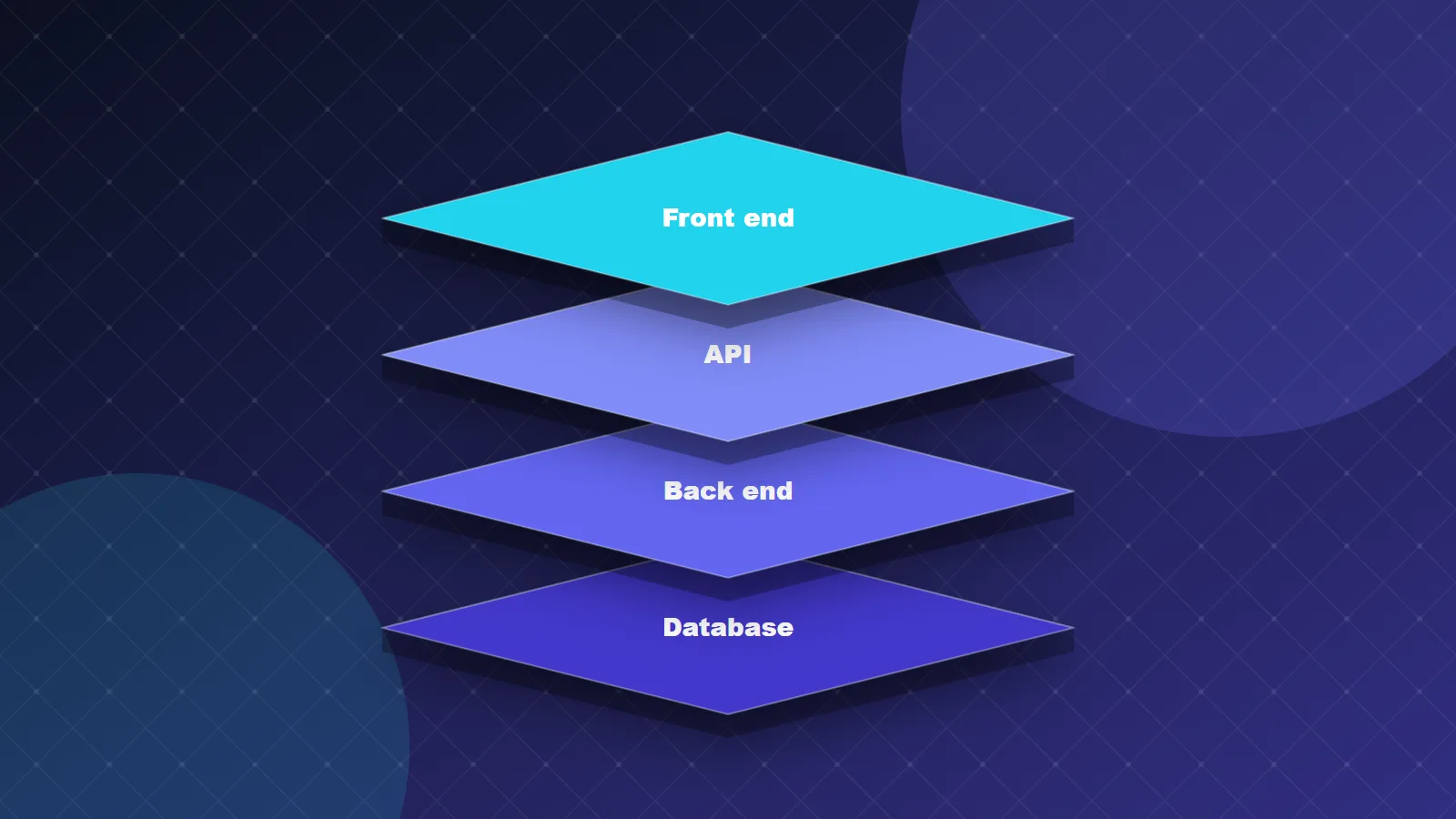
Every new product starts with the same question: what should we build it with? The internet will happily give you a hundred opinions. Most of them describe what the author already knows. A better approach is to ask four plain questions and let the answers narrow the field.
1. Who will maintain it?
A stack is only as good as the people who can work on it. If your team already knows one framework well, that is a very strong reason to use it. Hiring is part of the decision too: check how easy it is to find developers for the tools you are considering in the places you hire.
2. What is the product actually doing?
Most first products are forms, lists, accounts, payments and emails. That work is well served by mature, boring tools with batteries included. If your product is real-time collaboration, heavy data processing or a mobile-first experience, the shape of the problem pushes you towards different choices. Write down the three hardest things the product must do and test the candidates against those, not against a hello-world demo.
3. What will you need in two years?
You do not need to design for a million users on day one. You do need to avoid choices that trap you. Prefer widely used databases, standard protocols and tools with clear upgrade paths. Ask how you would move away from each component if you had to. If the honest answer is "we could not", treat that as a cost.
4. What does it cost to run and to change?
Consider hosting cost, the price of licences, how much of the work is configuration versus code, and how quickly a new developer can ship their first change. A stack that lets a newcomer deploy something small in their first week is paying you back every month.
A sensible default
For a typical business web application, a mainstream server-side framework, a relational database, a small amount of JavaScript on the front end and a managed hosting platform will carry you a long way. It is not exciting, and that is the point. Spend your novelty budget on the product itself.
Write the decision down
Whatever you choose, record why in a short document: the options you considered, the deciding factors and what would make you revisit the choice. Six months later, when someone asks why you did it this way, the answer will be on the page rather than in someone's memory.